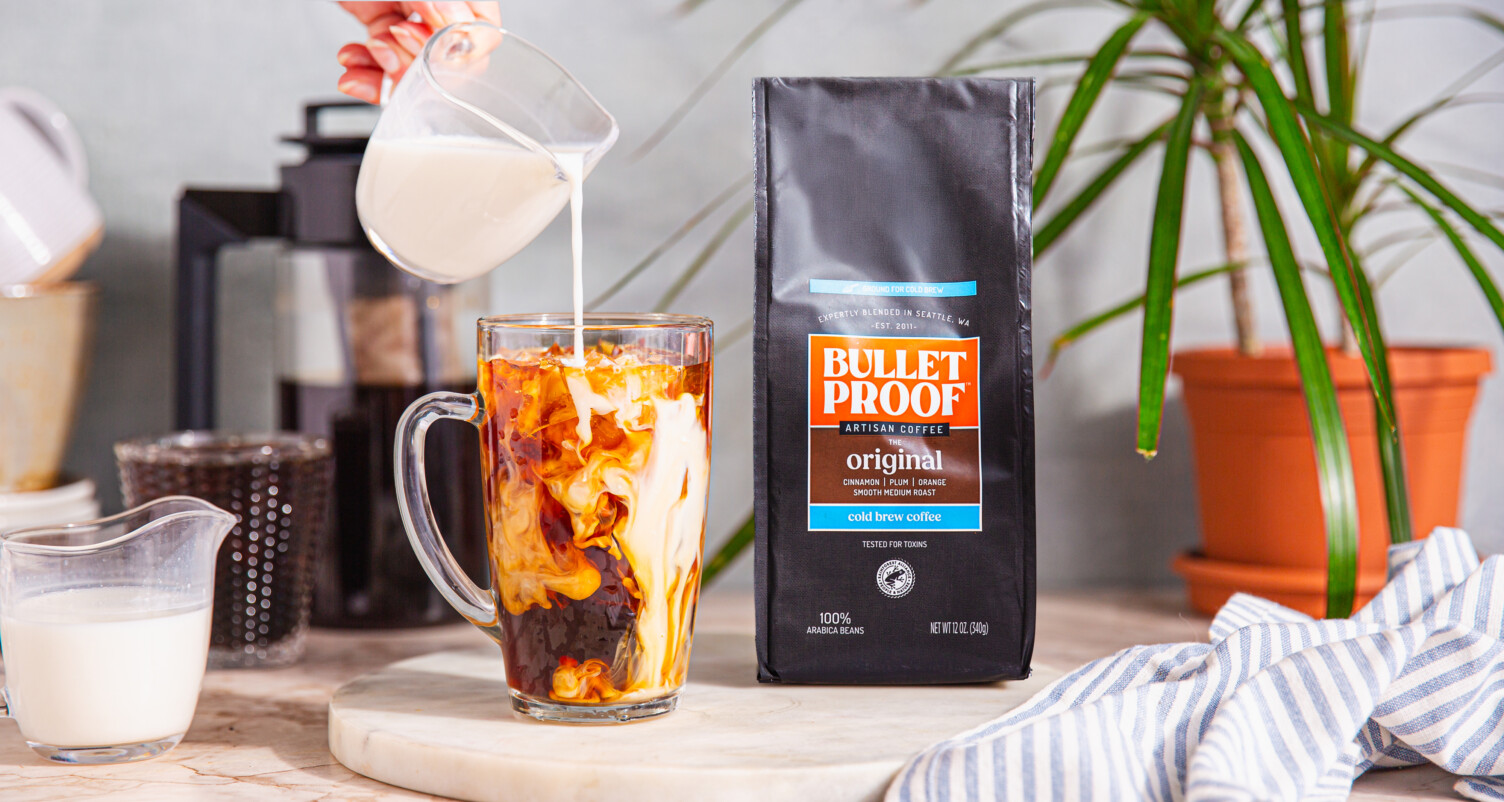
Cold Brew vs. Iced Coffee: Unveiling the Smooth, Less Acidic Secret
As temperatures rise and the sun shines brighter, the craving for a refreshing glass of iced coffee becomes undeniable. But have you ever found yourself sipping on a bitter, watery concoction that leaves much to be desired? The truth is, not all cold coffees are created equal. There's a fundamental difference between a hastily prepared iced coffee and the supremely smooth, less acidic delight that is cold brew. If you're ready to transform your home coffee experience and truly master the art of making delicious, easy coffee, understanding this distinction is your first step towards the perfect cold brew coffee recipe.
For years, coffee shop regulars have been privy to the secret of cold brew, but the good news is you don't need to break the bank or venture out daily to enjoy its benefits. Crafting your own cold brew at home is surprisingly simple, incredibly cost-effective, and offers unparalleled control over your coffee's flavor profile. Say goodbye to bitter aftertastes and hello to a coffee that's not only more palatable but also gentler on your stomach. Get ready to discover why cold brew is about to become your new best friend.
Cold Brew vs. Iced Coffee: Understanding the Fundamental Difference
Let's clear up a common misconception right from the start: while all cold brew is a type of iced coffee, not all iced coffee is cold brew. This distinction is crucial for understanding why one often tastes superior to the other.
-
Iced Coffee: The Hot Brewed, Cooled Method
Traditional iced coffee begins its life as hot coffee. Whether brewed in a drip machine, French press, or espresso maker, hot water is used to extract the coffee's compounds. This hot brew is then poured directly over ice or chilled before serving. The problem with this method is that hot water extracts a wider range of compounds, including those responsible for coffee's natural acidity and bitterness. When this hot, acidic coffee hits ice, it can often lead to a diluted, sometimes sour, and even harsher flavor as the ice melts and the coffee's delicate balance is thrown off.
-
Cold Brew: The Time-Tested, Cold Water Immersion
Cold brew, on the other hand, is a fundamentally different brewing process. It involves steeping coarse coffee grounds in cool or room temperature water for an extended period, typically 12 to 24 hours. This slow, low-temperature extraction is the key to its unique characteristics. Because heat is absent from the brewing process, fewer acidic compounds and bitter oils are released from the coffee grounds. The result is a naturally sweet, incredibly smooth, and significantly less acidic coffee concentrate. This concentrate is then diluted with water, milk, or ice to achieve your desired strength and serving temperature.
The flavor nuances in hot-brewed coffee can sometimes shine through more intensely, appealing to those who appreciate a brighter, more aromatic cup. However, for a consistently smooth, mellow, and stomach-friendly coffee experience, cold brew is the undisputed champion.
Why Cold Brew Reigns Supreme for Smoothness and Low Acidity
The magic of cold brew lies in its gentle extraction process. When coffee grounds are exposed to hot water, a rapid chemical reaction occurs, extracting a full spectrum of compounds – including many acids (like quinic and chlorogenic acids) and bitter-tasting compounds. While these contribute to the complexity of a hot cup, they can become overwhelming when cooled or diluted, leading to that familiar sharp or bitter taste in iced coffee.
With cold water brewing, this extraction is significantly slower and more selective. The cooler temperature means that fewer of those acidic and bitter compounds are dissolved, allowing the naturally sweet, chocolatey, and nutty notes of the coffee to come to the forefront. The science behind it is simple: certain compounds are more soluble at higher temperatures. By brewing cold, we bypass the extraction of many of the undesirable elements, leaving behind a naturally sweeter, richer, and incredibly smooth concentrate.
This inherent low acidity is a huge benefit for many coffee drinkers. Those who experience heartburn, indigestion, or stomach sensitivity after drinking hot coffee often find cold brew to be a much more agreeable option. Furthermore, because cold brew is often made as a concentrate, it offers incredible versatility. You can dilute it to your exact preference, ensuring you never have a watery or overly strong cup.
Crafting the Perfect Cold Brew Coffee Recipe at Home
Making your own cold brew coffee is not only easy but also incredibly rewarding. You don't need any special equipment beyond what you likely already have in your kitchen. Here’s how to create your own smooth, less acidic coffee concentrate.
What You'll Need:
- Coffee Beans: About 1 cup (or 4 oz/113g) of whole bean coffee. We recommend using beans you love! Light, medium, or dark roasts all work beautifully; it's simply a matter of your preferred flavor profile.
- Water: 4 cups (or 32 fl oz/946ml) of filtered, cold water. Water quality significantly impacts the final taste.
- Grinder (Optional but Recommended): A burr grinder will give you the most consistent coarse grind.
- Container: A large Mason jar, pitcher, or any airtight container with a capacity of at least 5 cups.
- Stirring Utensil: A spoon or spatula.
- Fine-Mesh Sieve: For the initial straining.
- Filtering Material: Cheesecloth (layered 2-3 times), a nut milk bag, or standard coffee filters (paper filters will require more patience but yield a very clean brew).
- Second Container: For collecting the filtered concentrate.
The Step-by-Step Perfect Cold Brew Coffee Recipe:
- Grind Your Coffee: This is perhaps the most crucial step for a perfect cold brew coffee recipe. You need a coarse grind, similar to sea salt or breadcrumbs. If the grind is too fine, you'll end up with murky coffee and over-extraction, leading to bitterness. If you don't have a grinder, most coffee shops will grind beans for you; just specify "coarse grind for cold brew."
- Combine Coffee and Water: In your large container, add the coarse ground coffee. Slowly pour in the cold, filtered water.
- Stir Gently: Use your spoon or spatula to gently stir the mixture, ensuring all the coffee grounds are thoroughly saturated with water. This helps prevent dry pockets and promotes even extraction.
- Steep: Cover the container with a lid or plastic wrap and let it steep at room temperature or in the refrigerator. We recommend 12-18 hours for optimal flavor. Steeping for 24 hours can create a very strong concentrate, but beyond that, it might start to develop undesirable flavors.
- First Strain: After steeping, place a fine-mesh sieve over your second container. Carefully pour the coffee mixture through the sieve to separate the majority of the coarse grounds. Do not press or squeeze the grounds, as this can force bitter compounds and fine sediment into your brew.
- Second Strain (Filtering): For a truly smooth, silt-free concentrate, you'll need a second filtering. Line your fine-mesh sieve with cheesecloth (several layers), a nut milk bag, or a standard paper coffee filter. Slowly pour the liquid from the first strain through this filter into your final storage container. Again, resist the urge to squeeze the grounds or filter material. Patience is key here; it might take a while, especially with paper filters.
- Store Your Concentrate: Transfer your finished cold brew concentrate into an airtight container or bottle. It will stay fresh in the refrigerator for up to 1-2 weeks.
For a more in-depth look at making cold brew without fancy gadgets, check out our guide: Master Homemade Cold Brew: Easy Recipe, No Fancy Equipment.
Tips for Cold Brew Success and Enjoying Your Concentrate
Now that you have your homemade cold brew concentrate, the real fun begins! Here’s how to best enjoy and optimize your brew:
Dilution is Key:
Cold brew concentrate is potent! It’s designed to be diluted. A good starting point is a 1:1 ratio of concentrate to water or milk. If you find it too strong, dilute it further (1:2 concentrate to water/milk). If it's too weak, use less diluent next time. Experiment to find your personal preference.
Serving Suggestions:
- Classic Iced Cold Brew: Fill a glass with ice, add your desired amount of concentrate, and top with water or your favorite milk (dairy or plant-based).
- Hot Cold Brew: Believe it or not, you can enjoy cold brew hot! Dilute your concentrate 1:1 with water and gently heat it in the microwave or on the stovetop. It will still retain its smooth, less acidic profile.
- Flavored Creations: Add a splash of vanilla syrup, caramel sauce, a dash of cinnamon, or even a hint of cocoa powder for an elevated experience.
- Cold Brew Smoothies: Use cold brew as the liquid base for your morning smoothie for an energizing boost.
Pro Tips for the Best Brew:
- Water Quality Matters: Since water makes up the bulk of your cold brew, using filtered water significantly improves the taste, preventing any off-flavors from tap water chemicals.
- Don't Rush the Steep: Resist the temptation to cut the steeping time short. The extended immersion is what allows for the gentle extraction of flavors.
- Avoid Over-Steeping: While longer is often better up to a point, going beyond 24 hours can sometimes lead to an undesirable bitterness as less desirable compounds begin to extract.
- Storage: Always store your cold brew concentrate in an airtight container in the refrigerator to maintain freshness.
Ready to save money and time while enjoying superior coffee? Our comprehensive guide on Save Money & Time: Your Guide to Perfect Cold Brew Coffee offers even more insights.
Conclusion
Embracing cold brew coffee at home is a game-changer for anyone seeking a consistently smooth, less acidic, and incredibly versatile coffee experience. By understanding the key differences between cold brew and traditional iced coffee, you're empowered to make a deliberate choice that elevates your daily caffeine ritual. With just a few simple steps and readily available equipment, you can create a batch of the perfect cold brew coffee recipe that will keep you refreshed and energized all week long, all while saving you money and delighting your taste buds. So, ditch the bitter, watery disappointments, and welcome the world of rich, mellow, homemade cold brew into your kitchen today!
